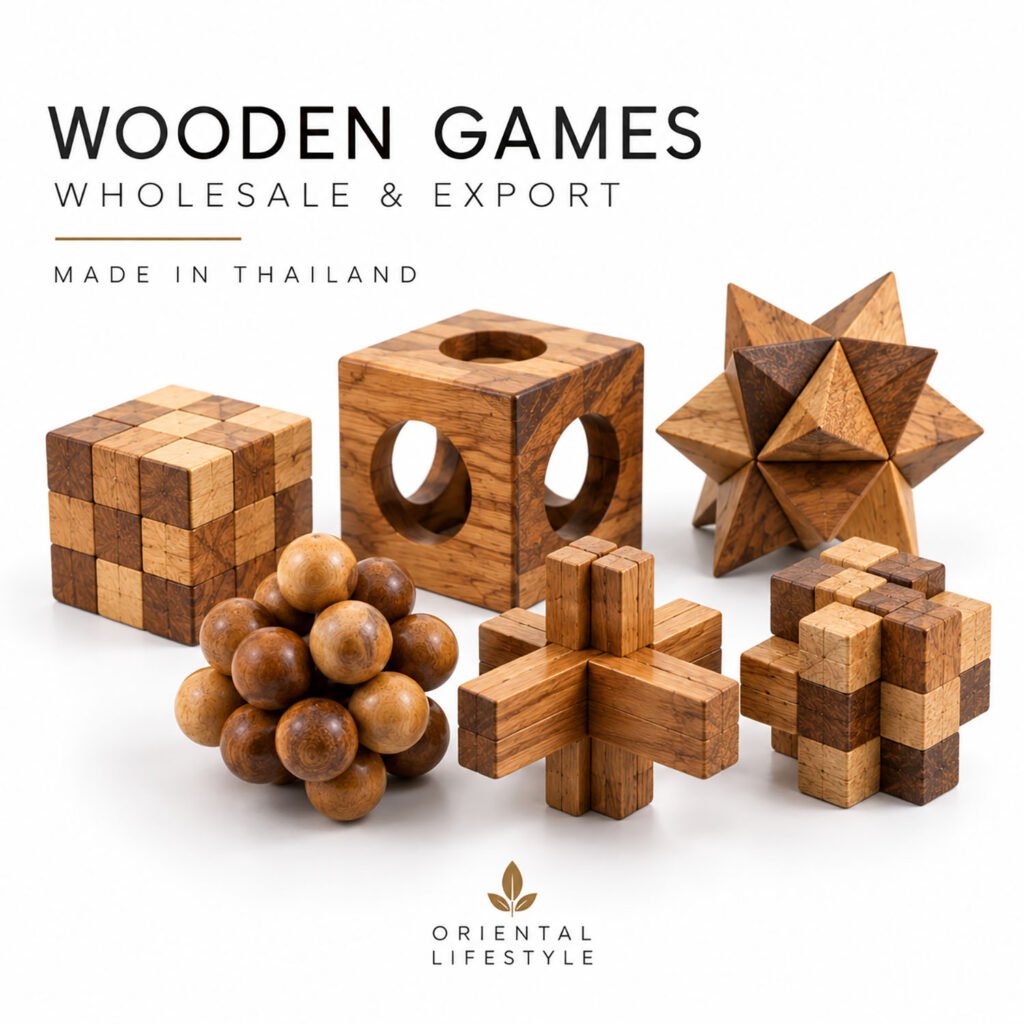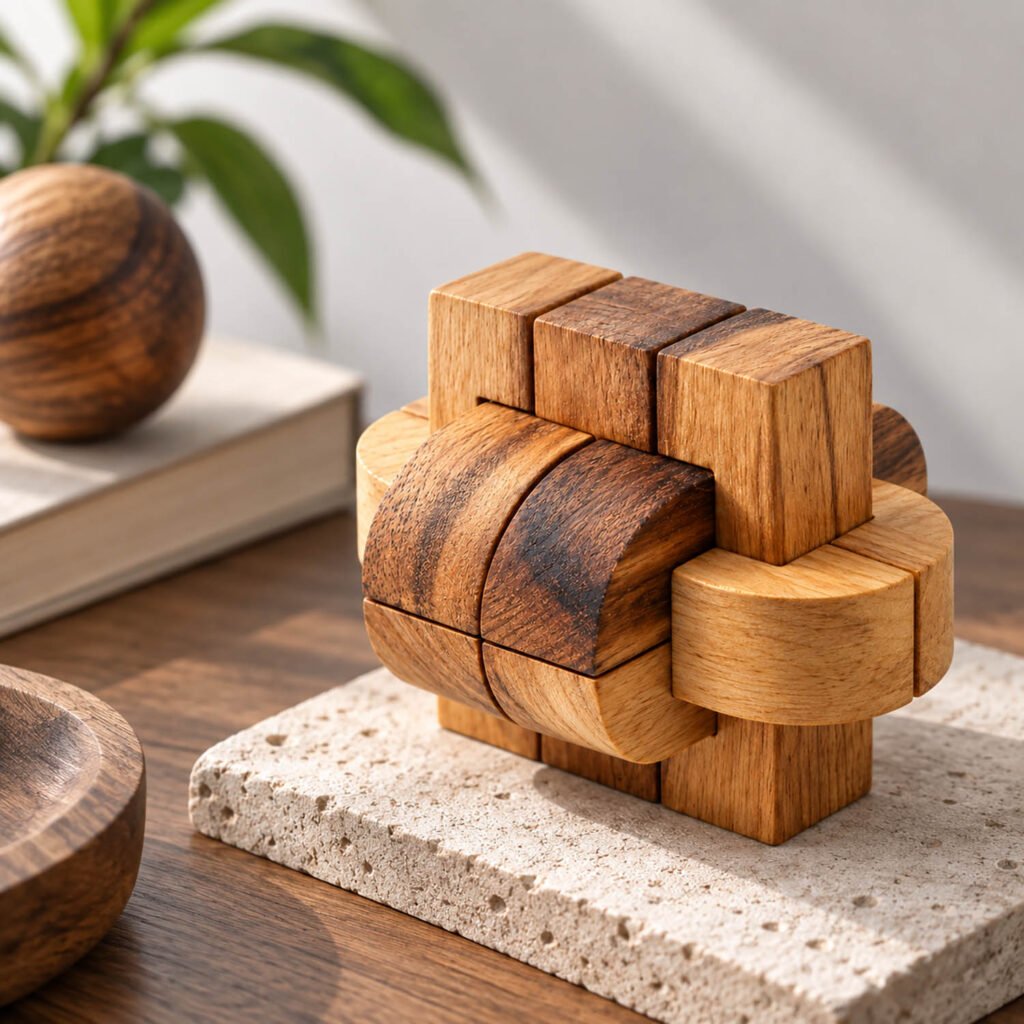
Nestled in the mountains of northern Thailand, Chiang Mai has long been recognized as a center of traditional craftsmanship, and its wooden games industry is no exception. From interlocking puzzles to classic brain teasers, wooden games Chiang Mai artisans produce carry a legacy of skill, patience, and material knowledge passed down through generations. This blog post explores what makes these wooden games unique, how they are made, and why buyers around the world continue to seek them out.
A City Built on Craftsmanship
Chiang Mai’s reputation as a craft hub did not happen overnight. For centuries, the region has been known for woodworking, textiles, and handmade goods, largely due to its proximity to forested areas and a deep cultural respect for artisanal trades. Furthermore, the city’s cooler climate and slower pace of life have historically supported the kind of detailed, time-intensive work that wooden game production requires. Today, small factories and family-run workshops throughout Chiang Mai continue this tradition, blending old techniques with modern production standards to meet international demand.
Wooden games manufactured in this region are not simply toys; they represent a tangible connection to Thai heritage. Additionally, the popularity of these products among wholesale buyers, gift retailers, and educational suppliers reflects a broader global interest in handmade, sustainable goods that stand apart from mass-produced plastic alternatives.
Materials That Matter
The quality of a wooden game begins with the wood itself. Chamcha wood, also known as monkeypod or rain tree wood, is among the most popular choices for Chiang Mai wooden game manufacturers. This material is prized for its rich grain, warm tones, and natural durability, making it ideal for puzzles that require precise interlocking pieces. Other woods used in the region include mango wood and various hardwoods sourced from sustainably managed plantations.
Consequently, sourcing decisions play a major role in both the environmental footprint and the final appearance of each product. Our team prioritizes wood that is both durable and responsibly harvested, ensuring that wooden games Chiang Mai factories produce do not contribute to deforestation. This approach also appeals to retail and wholesale buyers who increasingly prioritize eco-conscious sourcing when selecting suppliers.
The Craftsmanship Process
Producing a single wooden puzzle involves several distinct stages, each requiring specific expertise. The process typically begins with selecting and drying the raw wood to reduce moisture content, which prevents warping or cracking over time. Next, skilled workers cut the wood into rough shapes before moving to detailed carving and shaping work.
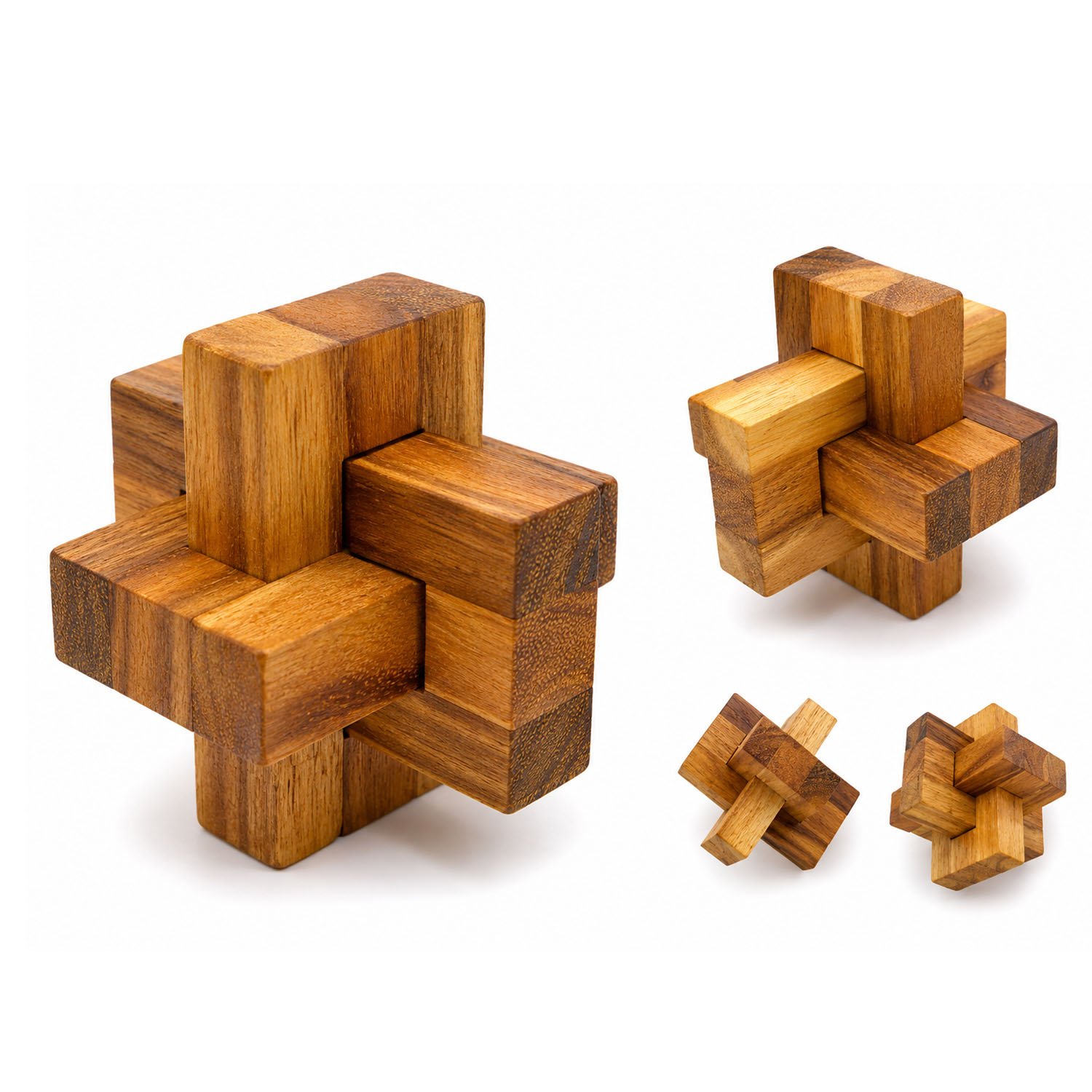
Precision matters enormously at this stage. A cross-shaped puzzle, for example, must have pieces that fit together with exact tolerances; too loose, and the puzzle falls apart easily, while too tight, and it becomes frustrating rather than enjoyable to solve. As a result, many Chiang Mai workshops rely on experienced craftspeople who have spent years refining their technique, rather than relying solely on automated machinery.
After shaping, each piece is sanded by hand to achieve a smooth, splinter-free finish. Some products receive a natural oil finish to enhance the wood grain and provide protection, while others are left completely untreated to showcase the raw material. In short, every stage of production reflects a balance between craftsmanship and practical durability, ensuring the finished game can withstand years of use.
Why Wooden Games Appeal to Global Buyers
The appeal of wooden games extends well beyond Thailand’s borders. Retailers, hotels, museum gift shops, and educational suppliers around the world seek out these products for several reasons. Firstly, wooden toys and puzzles are viewed as safer and more environmentally friendly than plastic alternatives, particularly for buyers targeting eco-conscious consumers or children’s markets. Secondly, the handmade nature of each piece gives retailers a unique selling point that mass-manufactured products cannot replicate.
Moreover, wooden games often carry a timeless aesthetic that fits well within boutique retail environments, home décor collections, and hospitality settings such as hotel lobbies or resort gift shops. Wholesale buyers particularly value the ability to source distinctive, story-rich products directly from the region where they are made, rather than through multiple layers of distributors.
Wholesale and Export Opportunities
For businesses looking to source wooden games Chiang Mai factories produce, wholesale and export channels offer a direct path to authentic, quality-controlled products. Working directly with a factory allows buyers to access competitive pricing structures based on order volume, customize packaging for their brand, and maintain consistent quality across repeat orders.
Additionally, many Chiang Mai manufacturers, including our own factory, welcome custom design requests, allowing retailers to develop exclusive products that are not available elsewhere. This level of flexibility makes Chiang Mai an attractive sourcing destination for buyers who want more than a generic catalog item.
Supporting Local Communities
Beyond the products themselves, purchasing wooden games from Chiang Mai supports local employment and helps sustain traditional craft skills that might otherwise decline in the face of industrial manufacturing. Many workshops employ artisans from surrounding communities, providing stable income while preserving techniques that have been refined over decades. Therefore, every wholesale order placed with a Chiang Mai wooden game manufacturer contributes, in a small way, to the continuation of this cultural and economic tradition.
Final Thoughts
Wooden games Chiang Mai artisans create are far more than simple puzzles or toys. They represent a combination of sustainable materials, generations of craftsmanship, and a growing global appreciation for handmade goods. Whether you are a retailer seeking a distinctive product line, an educational supplier looking for durable learning tools, or an export buyer interested in sourcing directly from skilled manufacturers, Chiang Mai’s wooden games industry offers a compelling blend of quality, authenticity, and value.
As demand for sustainable and unique products continues to grow, wooden games from this region are well positioned to remain a favorite among wholesale buyers and retailers worldwide. For those interested in exploring wholesale opportunities, custom design options, or bulk pricing, reaching out directly to a Chiang Mai manufacturer remains the most effective way to access these handcrafted products at their source.